

OpenAI shipped GPT-5.6 this week. It went live on 9 July 2026 across ChatGPT, Codex, ChatGPT Work and the API. Everyone will call it "smarter." That misses the point. The real story is that it's cheaper and more agentic. For marketers, that matters far more than a benchmark score. Here is what shipped, and what to do about it.
What actually shipped
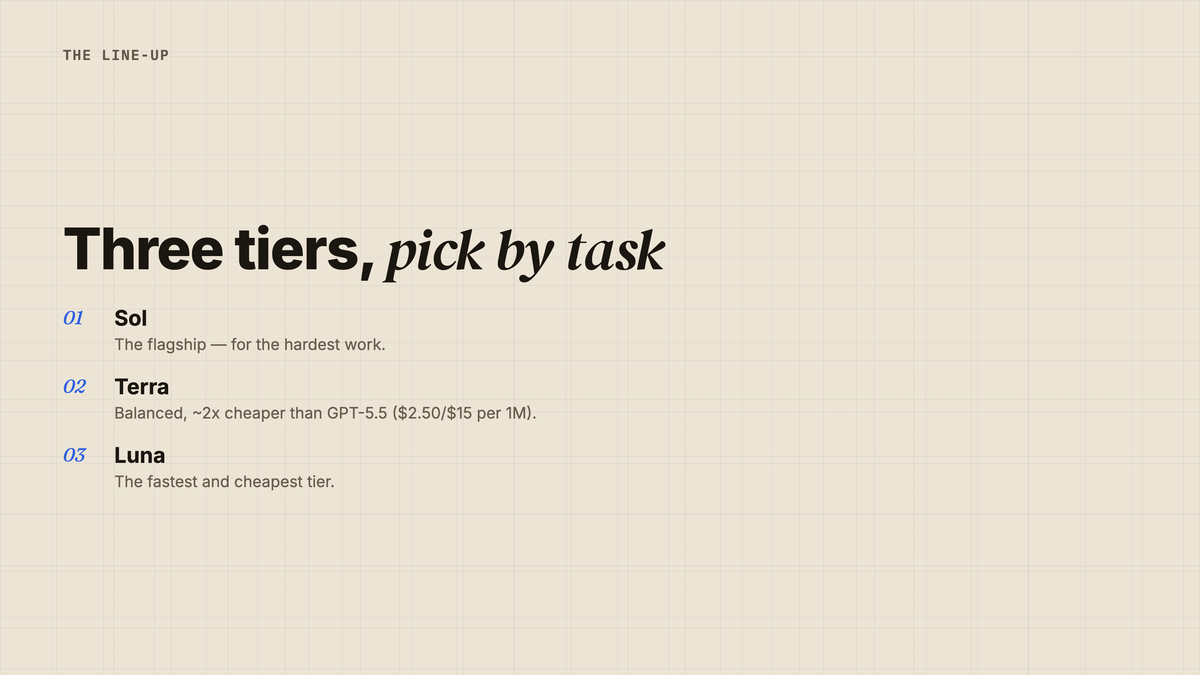
GPT-5.6 comes as a family, not one model. There are three tiers, per OpenAI's launch page:
- Sol — the flagship, for the hardest work.
- Terra — the balanced tier, about 2x cheaper than GPT-5.5.
- Luna — the fastest and cheapest.
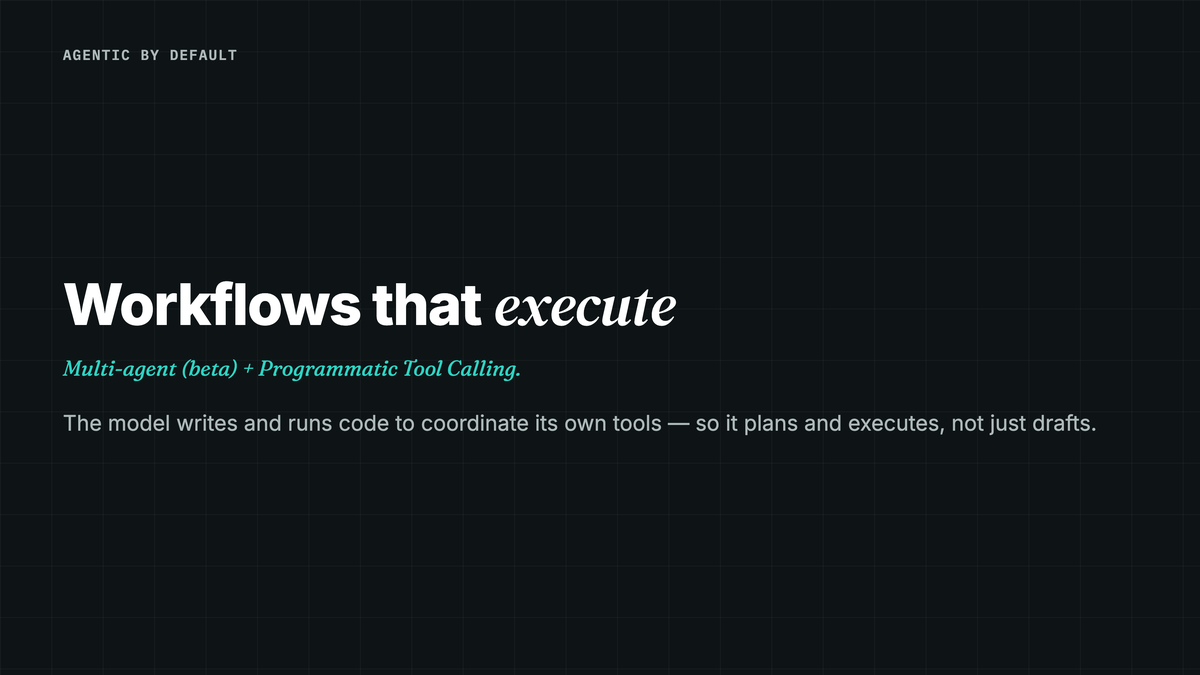
There is also a Sol Ultra "max effort" mode for peak reasoning. Pricing is set per million tokens. Terra runs $2.50 in and $15 out, per digitalapplied's launch guide. Two features stand out: a multi-agent beta, and Programmatic Tool Calling — where the model writes and runs code to coordinate its own tools.
The real story is cost
Sam Altman flagged about 54% better token efficiency for coding, as o-mega's breakdown notes. Pair that with Terra at roughly half the price of the last generation. The math is simple. The cost of producing AI content and running automation just dropped again.
This keeps happening. Every model cycle makes raw output cheaper. So "it can write a caption" stops being a selling point. It becomes table stakes.
Agentic by default
The second shift is bigger than price. GPT-5.6 is built to act, not just answer.
Multi-agent workflows are now in beta. And Programmatic Tool Calling lets the model write and run code to drive its own tools. Instead of you passing every step back and forth, the model plans the steps and executes them. The frontier is moving from "draft me some text" to "plan this, call these tools, and get it done."
That changes what an AI workflow even is. A caption is a task. A campaign report pulled, analysed and written is a workflow.
So the moat moves
Here is the part that matters for your team. When generation is cheap and commoditised, it is no longer the edge. The edge moves to the things a model can't hand you.
Judgment. Which idea is worth making at all. Brand voice. The taste that makes work feel like you. Orchestration. Wiring models, tools and data into a system that ships. A model raises the floor for everyone. It does not hand anyone a ceiling.
What to do this week
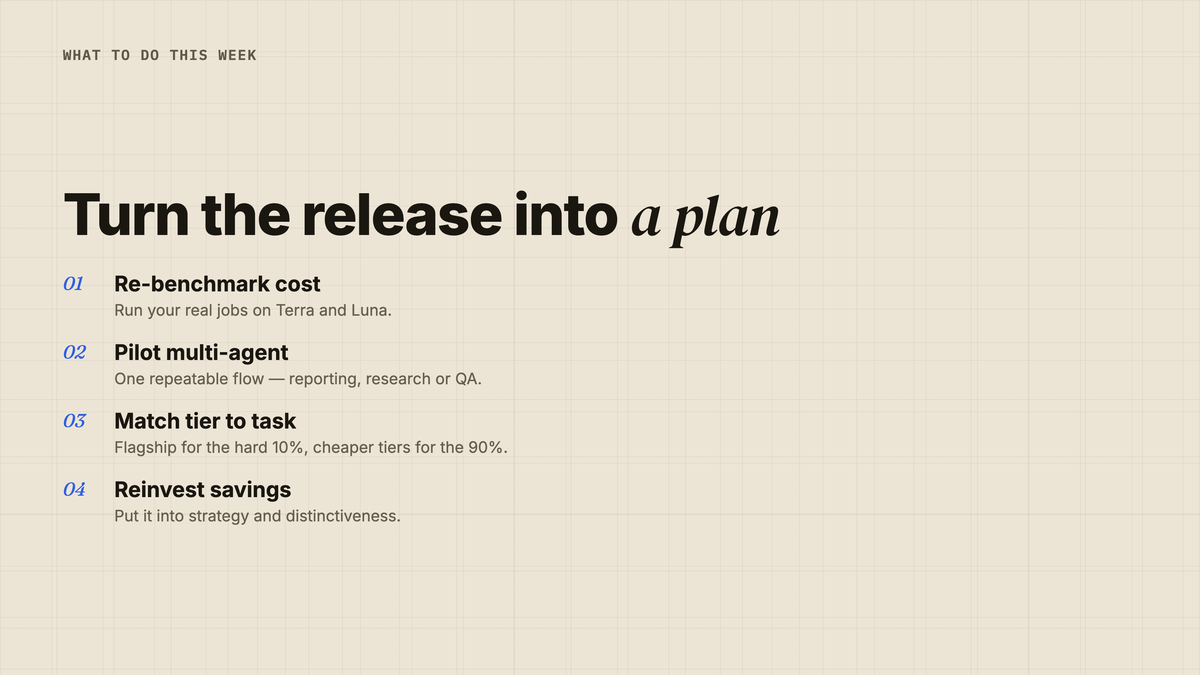
- Re-benchmark cost-per-task. Run your real jobs on Terra and Luna. Most work does not need the flagship.
- Pilot one multi-agent workflow. Pick something repeatable — weekly reporting, research, or QA. Prove it on one flow first.
- Match the tier to the task. Flagship for the hard 10%. Cheaper tiers for the everyday 90%.
- Reinvest the savings. Put what you save back into strategy and distinctiveness, not just more output.
The bottom line
Cheaper, more agentic AI does not replace good marketers. It raises the floor and widens the gap. On one side are teams that treat AI as an engine — wired into a real workflow. On the other are teams that treat it as a vending machine — one prompt at a time. GPT-5.6 just made that gap bigger.
When did GPT-5.6 come out?
OpenAI released the GPT-5.6 family on 9 July 2026 across ChatGPT, Codex, ChatGPT Work and the OpenAI API. It was previewed on 26 June 2026.
What are the GPT-5.6 tiers?
There are three: Sol (the flagship), Terra (balanced and about 2x cheaper than GPT-5.5), and Luna (the fastest and cheapest). A Sol Ultra "max effort" mode is also available.
How much does GPT-5.6 cost?
Pricing is per million tokens. Terra is $2.50 for input and $15 for output. Sol and Luna sit above and below Terra. Cheaper tiers cover most everyday tasks.
What is Programmatic Tool Calling?
It lets the model write and run code to coordinate its own tools, rather than passing every tool call back through you. This makes end-to-end, agentic workflows practical.
Why does GPT-5.6 matter for marketers?
The story is cost and agency, not raw IQ. Cheaper output and agentic workflows mean the advantage shifts from generation to judgment, brand voice and orchestration.
Should I switch to the flagship model?
Usually no. Match the tier to the task. Use the flagship for the hardest work and cheaper tiers for the everyday majority, then re-benchmark your cost-per-task.
Insights from Our Experts
Explore our latest articles on digital marketing strategies.